
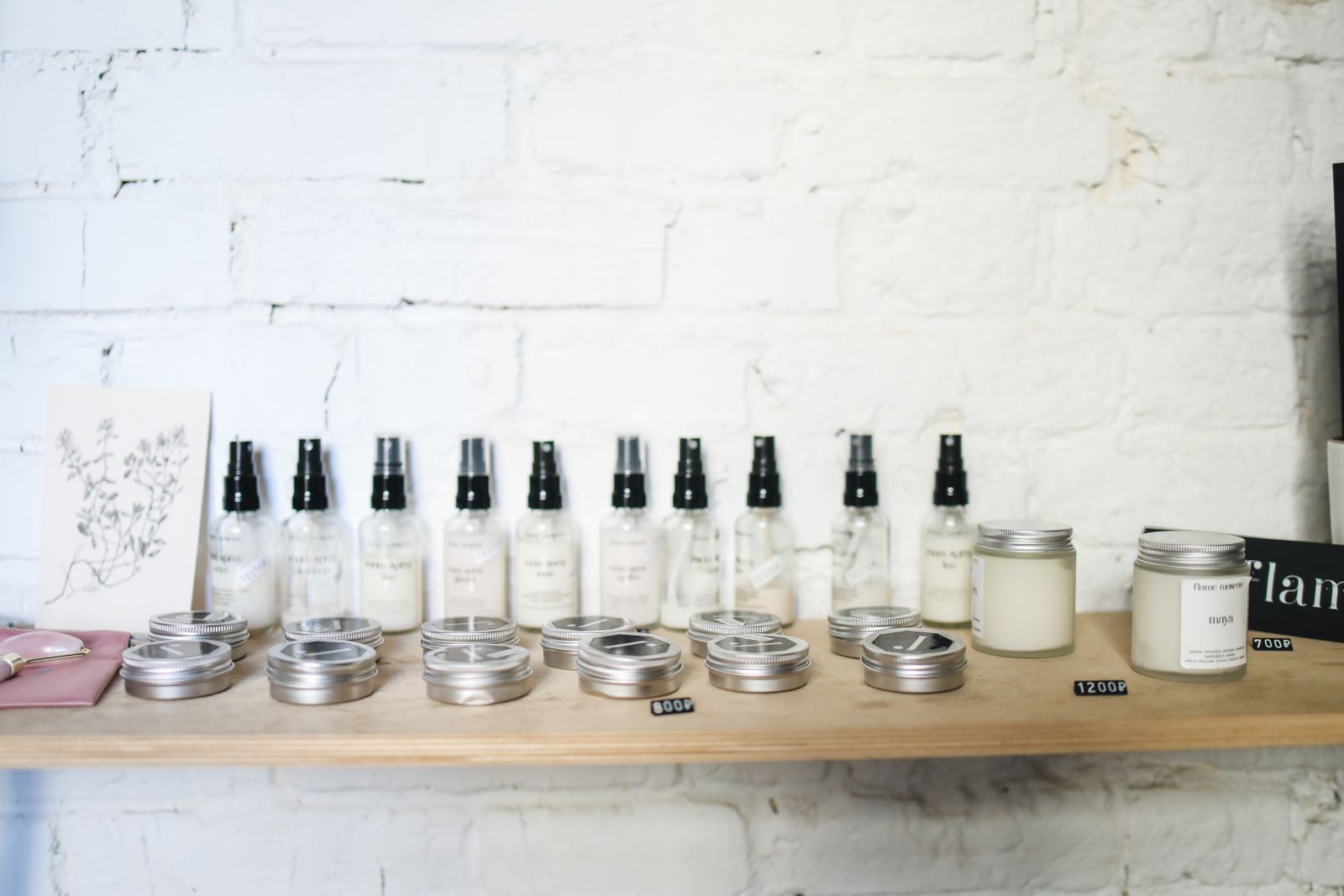
A useful skin-care shelf contains products you can identify, store correctly and use according to their directions. Check the packaging, note when you opened each product and look for changes before use. There is no single shelf-life number that applies to every cosmetic.
This guide is for US readers organizing ordinary facial cosmetics. Medicines and products such as sunscreen have different requirements. Keep their labels and expiration instructions intact rather than applying a beauty-product rule to everything in the bathroom.
Separate cosmetics from products with drug directions
FDA explains that ordinary cosmetics are not generally required by US law to carry expiration dates. That does not mean an unlabeled jar lasts indefinitely. Manufacturers remain responsible for product safety, and shelf life varies with the product and its storage and use.
Start your review by grouping the items you have: ordinary cosmetics, sunscreen and any medicines. Read each label in its own category. Ask a pharmacist about a medicine if its instructions or date are unclear; ask the cosmetic manufacturer about an ordinary product’s usable life.
Record opening dates without inventing a deadline
FDA suggests marking when you open a cosmetic to help track its age. Put a small note on the container or keep a list with the exact product name. Preserve the original directions, batch information and any printed expiry date.
An opening date is a record, not a safety test. It does not establish that the product is good for a fixed number of months. If the maker supplies after-opening instructions, keep those with your note. Avoid guessing from another brand’s chart simply because the packaging looks similar.
Choose storage deliberately
Follow the manufacturer’s storage instructions. FDA cautions against heat exposure, including leaving cosmetics in a hot car. Its shelf-life guidance also describes moisture, temperature changes and exposure to air and sunlight as factors that can affect products.
Think about the places your cosmetics actually spend time: a windowsill, travel bag, gym locker or steamy bathroom. Move items to a location consistent with their directions. Do not assume a refrigerator is automatically better; check with the manufacturer before choosing unusual storage conditions.
Keep containers clean and avoid improvised repairs
Close products after use and keep applicators clean. Do not add water to revive dried-out mascara. FDA specifically warns that adding water or saliva can introduce contamination. Follow the same basic discipline of using a product as supplied rather than improvising ways to extend its life.
For your reusable tools, see our makeup-brush cleaning guide. Keeping tools organized helps you avoid returning used applicators to a clean-storage area, but it does not make an old or changed cosmetic safe again.
Notice changes and ask a focused question
A changed smell, color or texture is a reason to stop and investigate rather than covering it with another product. FDA advises reporting product problems and unexpected reactions. Contact the manufacturer with the name, batch details and what changed.
Do not rely on appearance alone to prove safety. A product can look familiar without giving you a reliable answer about contamination or remaining shelf life. When the history is uncertain, ask for specific advice instead of testing the product repeatedly on your face.
Finish with a smaller, usable shelf
Make three decisions during the review: keep items whose directions and condition are clear, set uncertain products aside while you ask questions, and dispose of unusable products according to applicable instructions. Avoid donating opened items simply to transfer the uncertainty to someone else.
If a cosmetic caused a reaction, stop using it and contact a healthcare professional as appropriate. Keep the packaging for that conversation. A tidy shelf should support your daily routine, with fewer mysteries and easier access to the products you actually use.
Sources and further reading
EuZen in your cosmetic routine
For EuZen, follow the application instructions. EuZen provides a temporary cosmetic effect; individual results vary. It is not a treatment for irritation or a replacement for sun protection. View EuZen on Amazon.